
Tampere Meadow Lab species info
The nocturnal Nottingham catchfly is not only an important nectar plant for moths in general, but also the larval host plant of the rare white spot (Hadena albimacula). In Tampere, this rare moth is found only at Kalevankangas, where its host plant grows in abundance, but it could also spread to other parts of the city if enough of the host plant were available. Several other moths of the genus Hadena also feed on the same plant, such as the varied coronet (Hadena compta) and the marbled coronet (Hadena confusa).
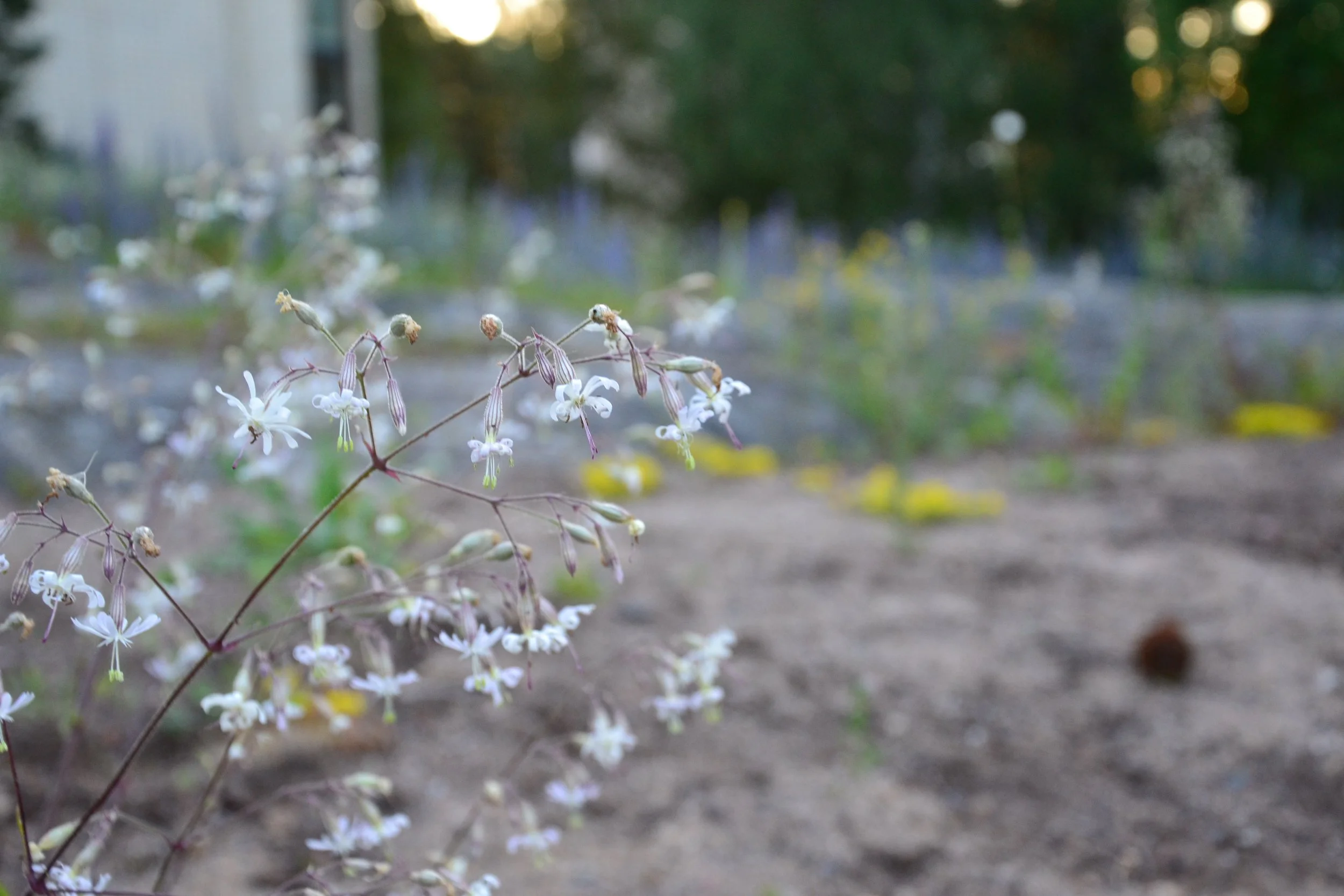
The Nottingham catchfly. Picture: Lauri Linnavirta, Wildzone
The small but beautiful Oxyptilus ericetorum is a rare plume moth whose larvae feed on mouse-ear hawkweed (Pilosella officinarum). In Tampere, the species has been recorded in the sunny meadows at Kalevankangas where its host plant grows. It may also be found elsewhere wherever the plant grows in direct sunlight. The more common Oxyptilus pilosellae also favours similar habitats.
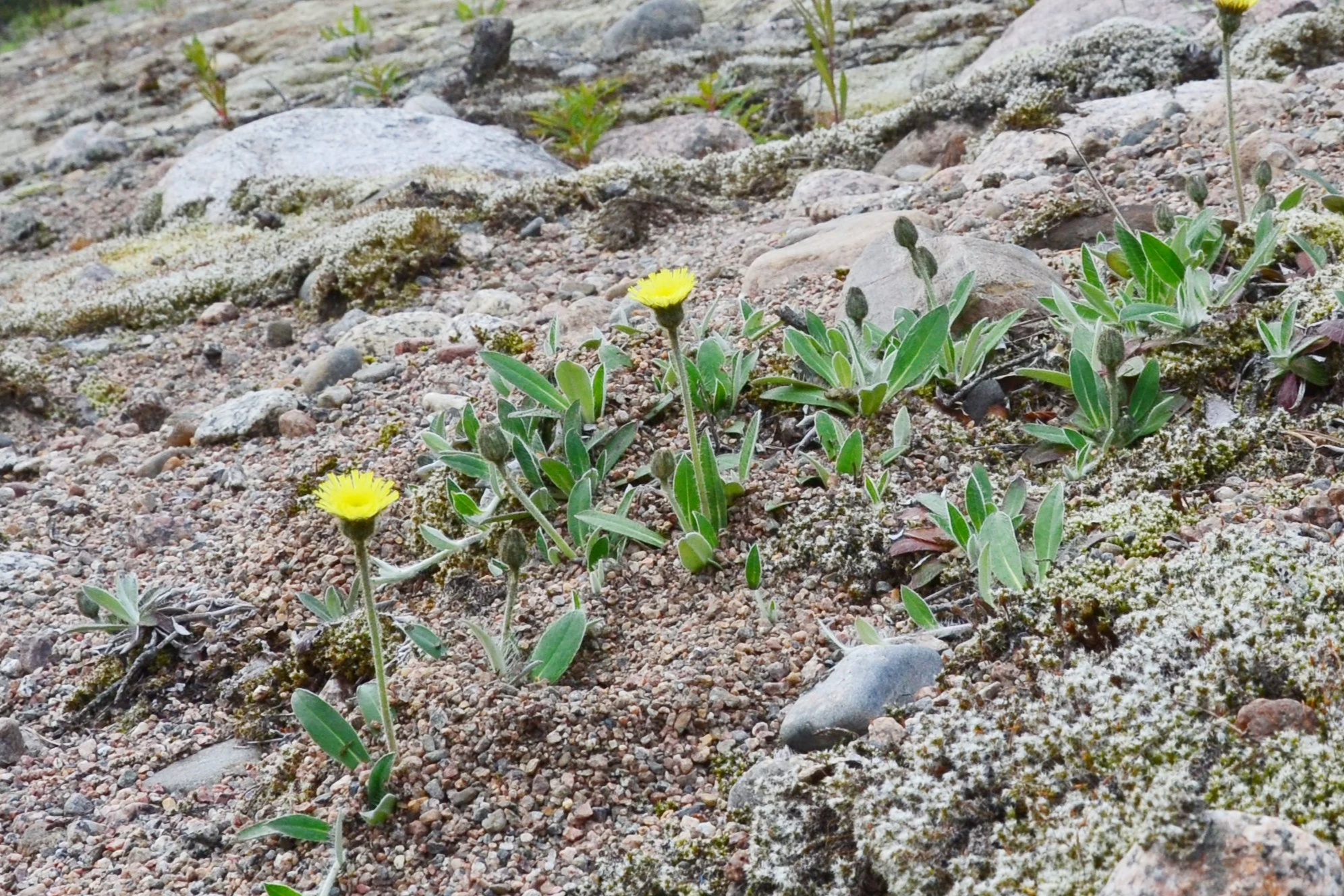
The mouse-ear hawkweed. Picture: Lauri Linnavirta, Wildzone
The zigzag clover (Trifolium medium) is the only food plant of the very rare moth Anacampsis fuscella. The larvae of this small moth shelter inside rolled-up leaves of the plant. The shelters may be found on zigzag clovers growing in particularly warm spots, such as roadsides and sunny meadows. The moth has been found at several sites in Pirkanmaa, including Nekala in Tampere, but there are only a few other known sites elsewhere in Finland. Outside Finland and Sweden, the species is known from only a few locations in eastern and southern Europe.
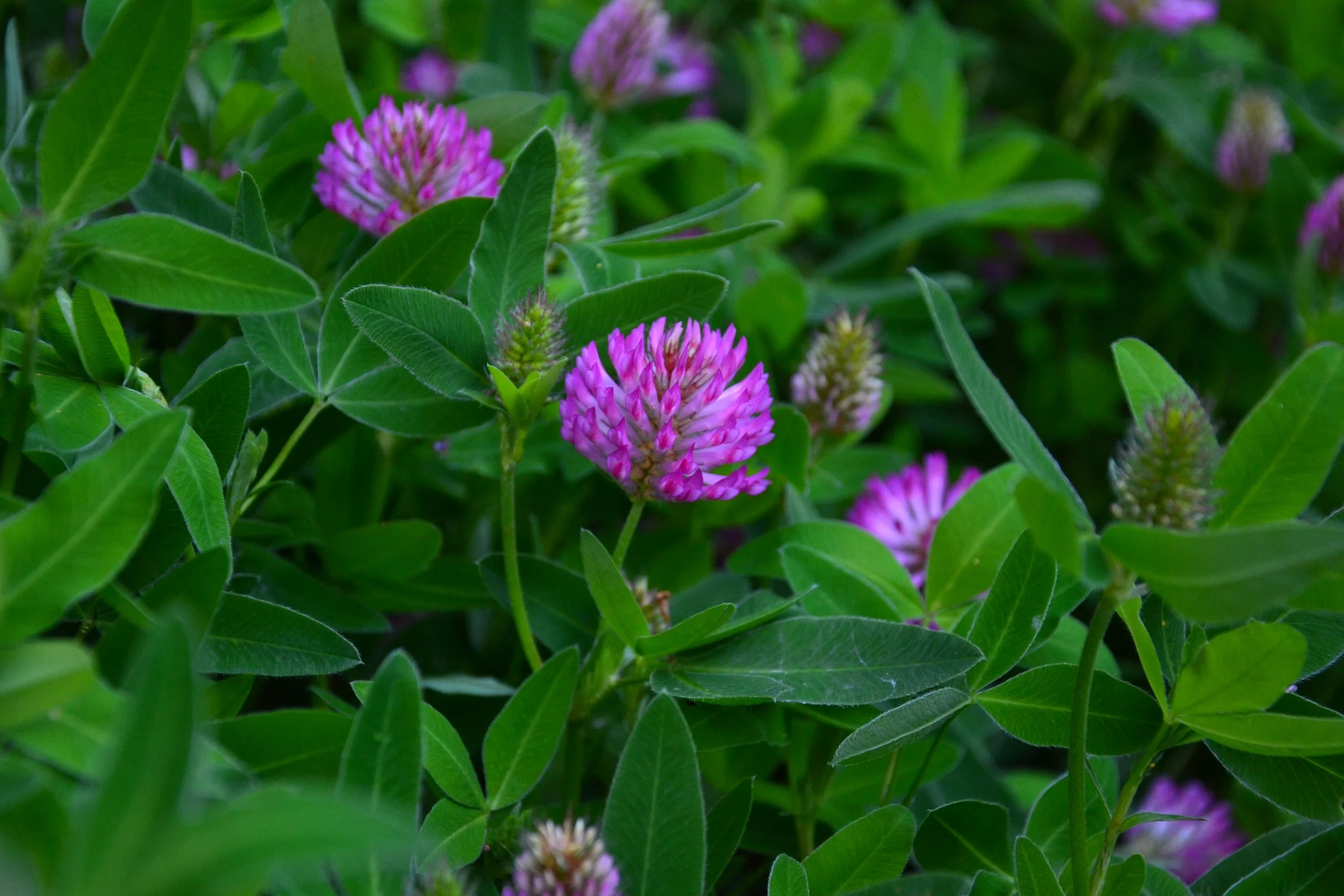
The zigzag clover. Picture: Lauri Linnavirta, Wildzone
The common bird's-foot trefoil (Lotus corniculatus) is an important food plant for the larvae of many species. It is one of the food plants of the rare green-underside blue (Glaucopsyche alexis). Other bright blue butterflies also feed on the plant, as do the six-spot burnet (Zygaena filipendulae), the gorse pod moth (Cydia ulicetana), and Aproaerema sangiella.
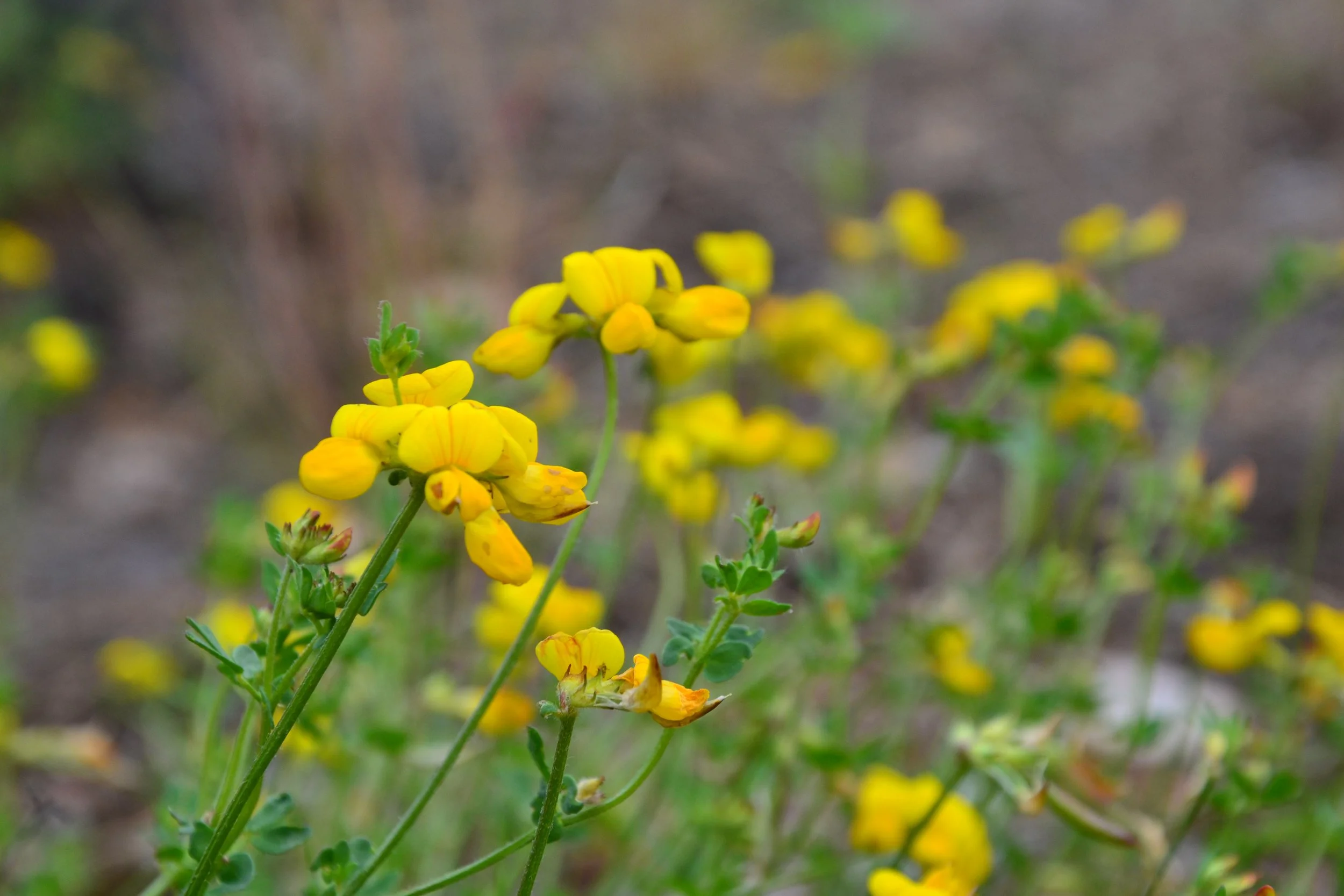
The common bird's-foot trefoil. Picture: Lauri Linnavirta, Wildzone