Newsletter April 2026
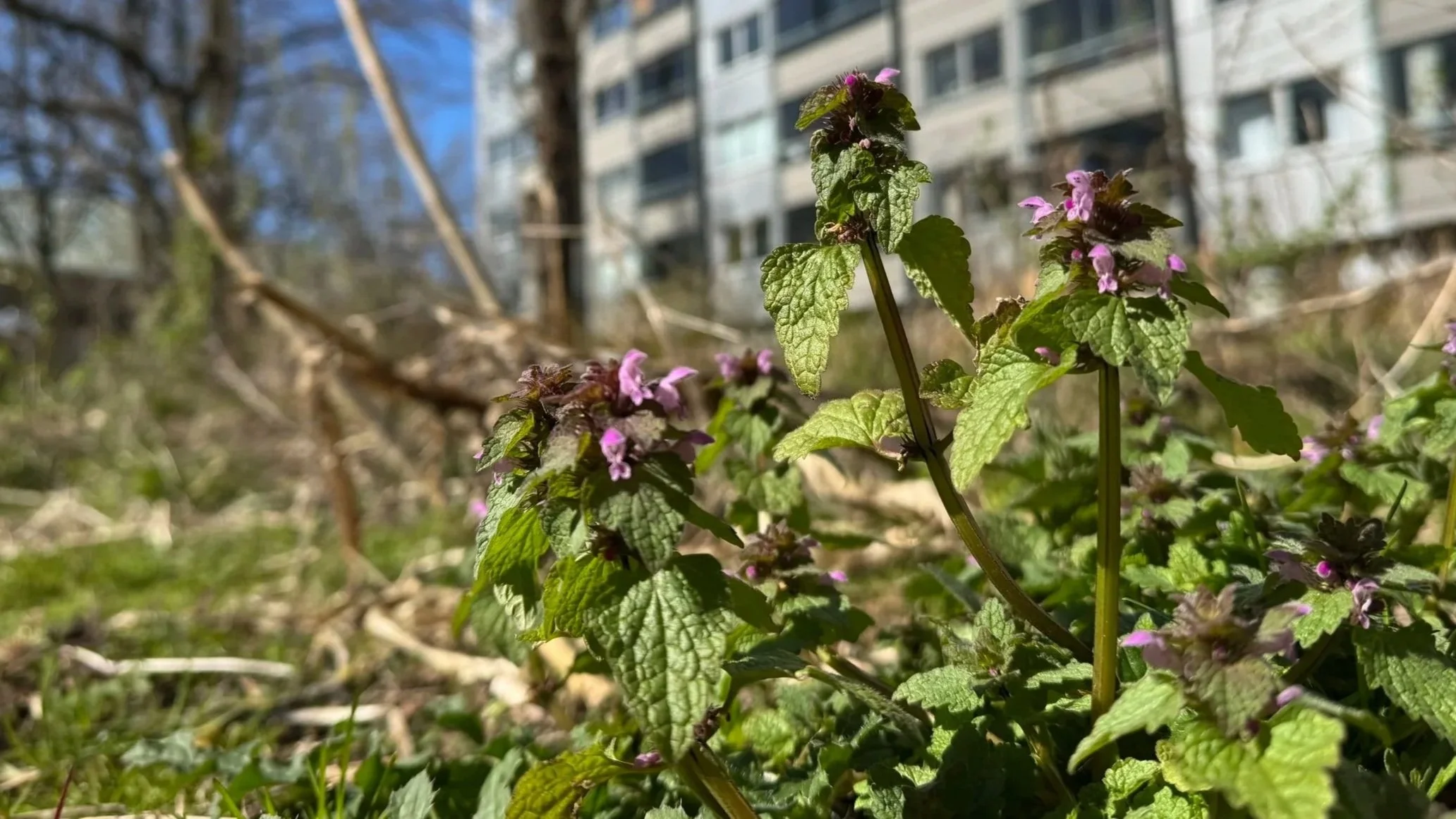
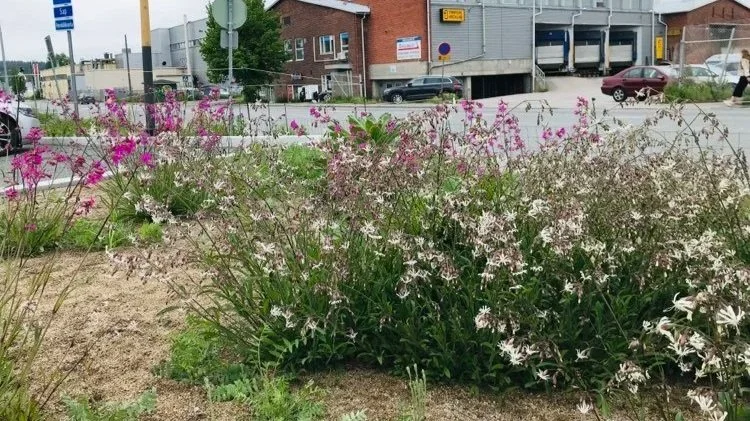
The garden is awakening at Copenhagen Rain Commons. Photo by AKK.
Key findings from successful NBS and NEB projects
Our INNATURE foundational mapping learned from successful projects and highlighted how multifunctionality of Nature-Based Solutions (NBS) is becoming better understood and operationalized in Europe. To gain multi-species perspectives human centrism needs to be unlearned. There is a need for methodological development to act with the self-organizing process of nature and people. There are also knowledge gaps due to diversity of contexts globally.
On-site measurements begin
The coming months will mark an exciting new phase for the monitoring team, as preparations turn into on-site measurements across the demo cases. With the monitoring plans becoming more concrete, 196 microclimate sensors have been ordered and will soon arrive. From late spring and throughout the summer, the team will visit the different demo cases to install the sensors and take soil samples. Around June, each demo case will also organise biodiversity monitoring activities, often together with the local community. Together, these measurements will provide a valuable baseline on soil temperature, soil moisture, soil health, and biodiversity before interventions begin. This will help us to understand the current situation and the impact our NBS intervention may have
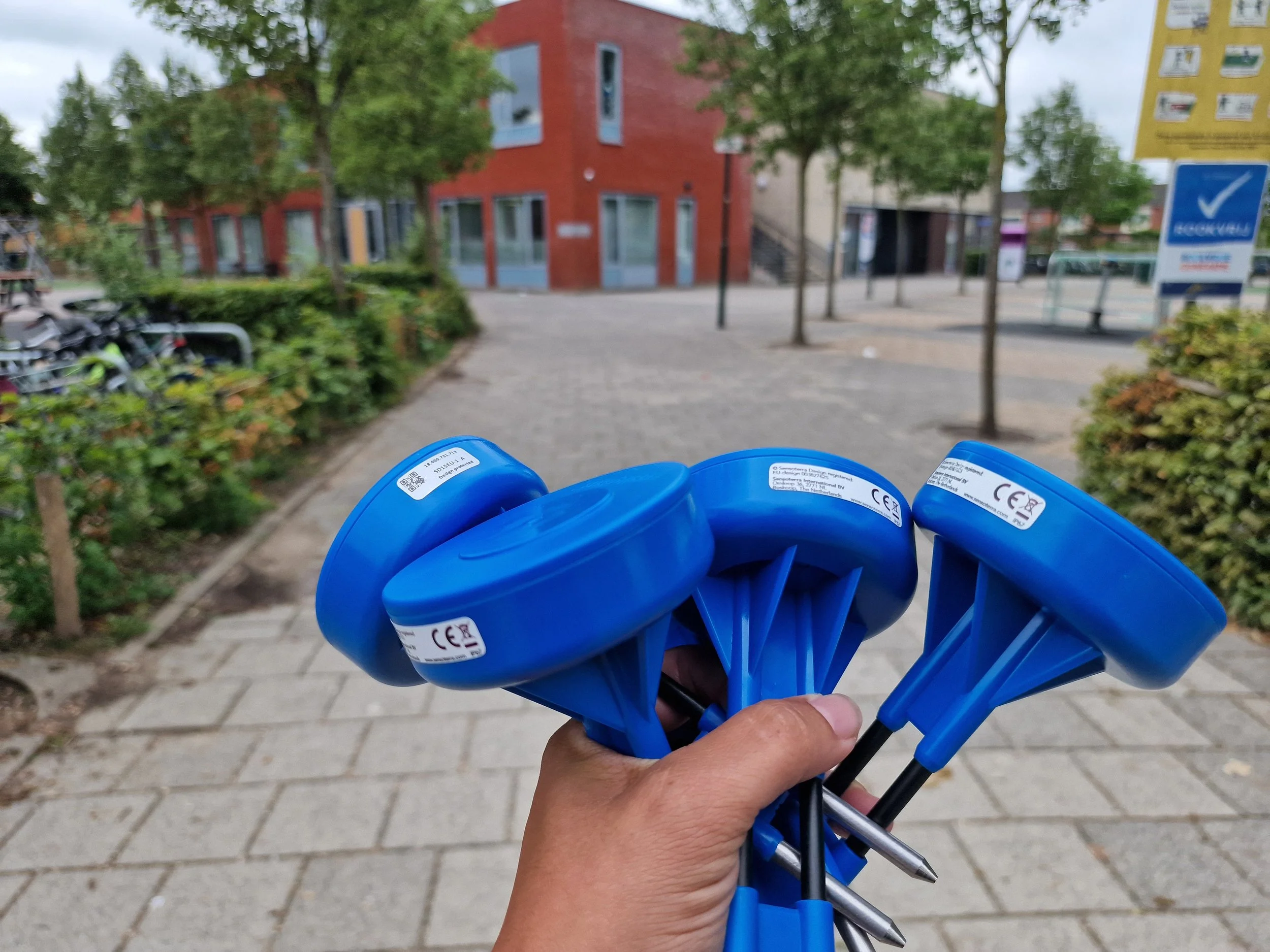
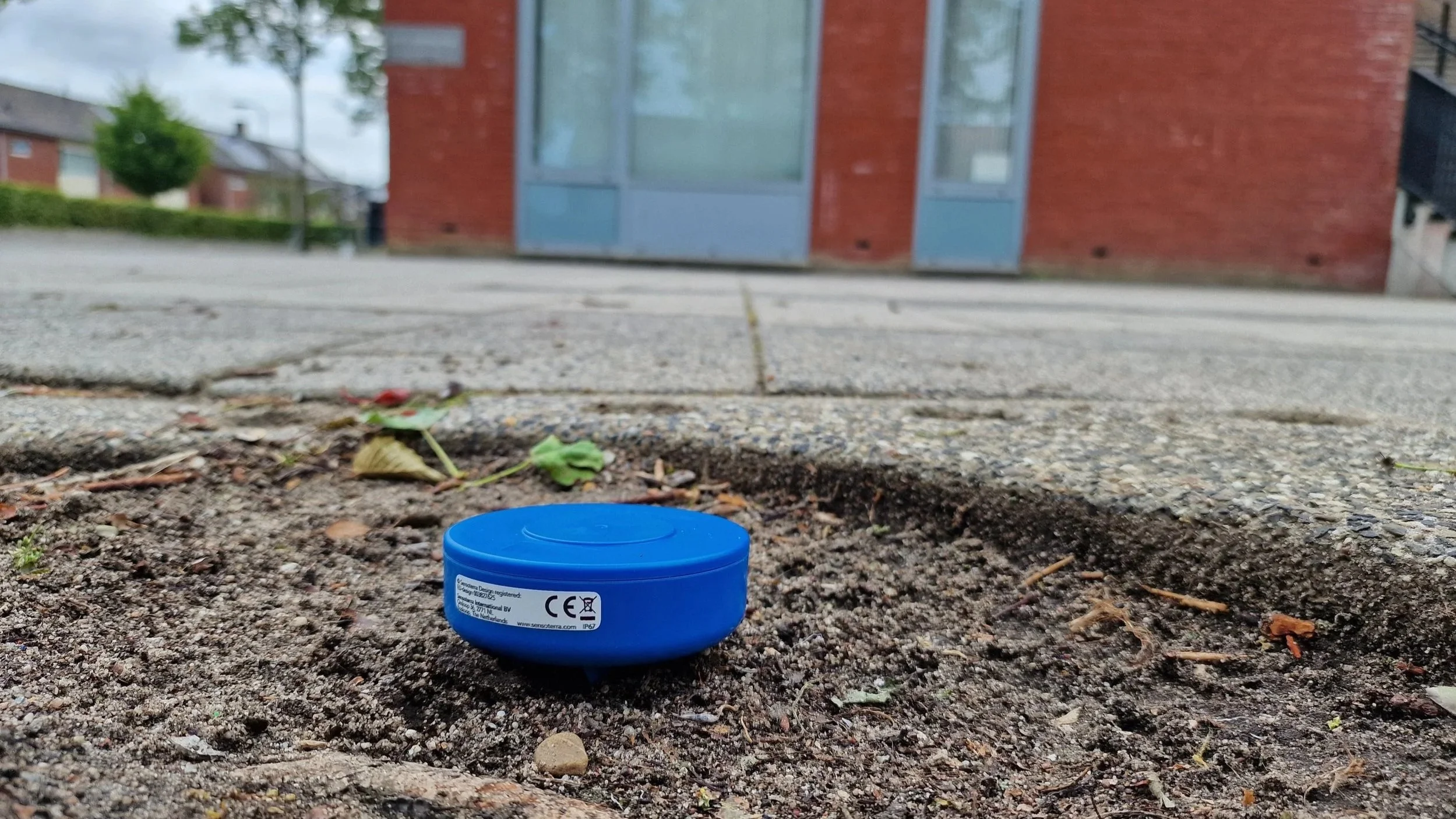
Installing microclimate sensors is simple, however it provides valuable information on the sustainability of NBS. Photo by: Jonas Lembrechts.
Insights from ongoing mapping of digital platforms
A key insight from an ongoing literature review is the shift from "producing data about nature" to "nature-based action". INNATURE is developing a digital platform where "Missions" act as a flexible bridge between monitoring and local stewardship. These missions are designed to be customised and adapted based on the different needs in our demo cases. This ensures that digital tools remain responsive to each community's evolving needs, fostering agency and ecological care and ensuring inclusive interactions.
Adaptive Missions
Five exciting missions to be launched through the INNATURE digital platform are being planned. The first ideas involve encouraging people in Tampere to introduce clover to their gardens and open spaces to help reintroduce a moth species to the local meadows. In Copenhagen, producing rain stories is one of the two missions. The second one is planned for the monitoring of the stormwater system for overflows. In Sheffield, two distinct mission types are taking shape. The first is a broad-reach feedback mission where citizens share reflections on nature-based interventions through geolocated images and notes. The second is a specialized stewardship mission designed for the so-called Assistant Wizards, or young people, scouts, and schools working alongside expert ecologists.
Rain Commons blooming in Copenhagen
As gardens grow, also the activities in Rain Commons intensify! The Local Art Conversation Action Plans facilitated by the Copenhagen group for all INNATURE demo cases, is drawing together a larger picture of future synchronies. Later in April, under the title Finding&Archiving, an exhibition and a workshop on archiving as a critical method and social practice will be presented, belonging to the seminar in the Dreaming Surburbs-project together with local art institution Til Vægs. Also, a workshop with social sculptor artists Ida Lunden will take place during the spring. In this workshop her plan is to cast a lot of local people and artefacts and use these in the design of a future communal space in Lundtoftegade, the Copenhagen demo case.
Art Council event discussed four arts proposals in Tampere
In the demo case of Finland, meadow-like habitats are being established to support local endangered species. An Art Council event discussed proposals from four artists or groups on collaborative projects that would interweave with the processes of the growing of the meadow. Art projects are also supposed to help in creation of meaningful conversations with the local communities and other stakeholders. In the event local people together with INNATURE researchers and representatives of the city evaluated and further developed ideas going from music to paths and seating, love letters to prints, from which one will be chosen to be realised over the next years.
In the demo case of Tampere, Finland, meadow-like habitats similar to this will be established. Photo by Helena Leino.
Next INNATURE Newsletter will be published in October 2026.